What You Need to Know About a Home Inspection

A home inspection is a process that involves a visual examination of the structure and systems of a house by a trained inspector. It is a vital step in the home buying process and can help you make an informed decision about your purchase. It’s important to choose an experienced and certified home inspector and to review the report thoroughly.

Richardson is a great place to buy your next home, and you’ll want to be sure that the home is in good condition. A home inspection in Richardson can help you understand the current condition of the property, identify any issues that need to be fixed, and negotiate with the seller if repairs are needed.

The process of home inspection in Richardson is similar to that of other cities. It involves a qualified inspector who will examine the home’s structural components, safety features, and systems. The home inspector will give a detailed report listing any defects or problems and recommending repairs or maintenance.

What makes Richardson Home Inspection different from other states?

A professional home inspector will inspect the entire property including its roof, foundation, roof, walls, ceilings and windows. They will also inspect the HVAC, plumbing, and electrical components. They will also check for potential hazards such as mold and radon.

What is the Average Cost of a Home Inspection in Richardson?

A residential home inspection costs around $300 on average, depending on the size of the home and the type of equipment. Additional fees for radon or mold testing may apply.

Do I need a home inspection in Richardson?

A home inspection is a critical part of the home buying process and can save you money in the long run. It can also help you make an informed decision about your investment and ensure that you have a safe, secure, and enjoyable home.

What are the Best Richardson Home Inspectors?

When searching for a home inspector, it’s important to consider their qualifications, experience, and reputation. Make sure they’re certified with the American Society of Home Inspectors (ASHI), the International Association of Certified Home Inspectors (InterNACHI), or the National Association of Professional Engineers (NSPE). To get a sense of their past work, you can also look at their reviews on HomeGuide and Google.

Reviews: Read HomeGuide, Google, and the Better Businesses Bureau to learn more about a potential home inspector’s skills, expertise, and customer service. It’s also a good idea to read both positive and negative reviews, and to consider how the inspector responds to feedback.

What Are Some Common Requests that Buyers Make?

Buyers usually ask for repairs that affect the livability of their new home. They are concerned about the cleanliness and general appearance of the property, and they often want to move in as soon as possible.

What Are the Most Common Problems a Home Inspector Finds?

Leaks, mold, and foundation cracks are just a few of the many problems that a home inspector will find. These issues can be expensive to repair and should be addressed immediately, especially if they pose a danger to the buyer or their family.
Related Post

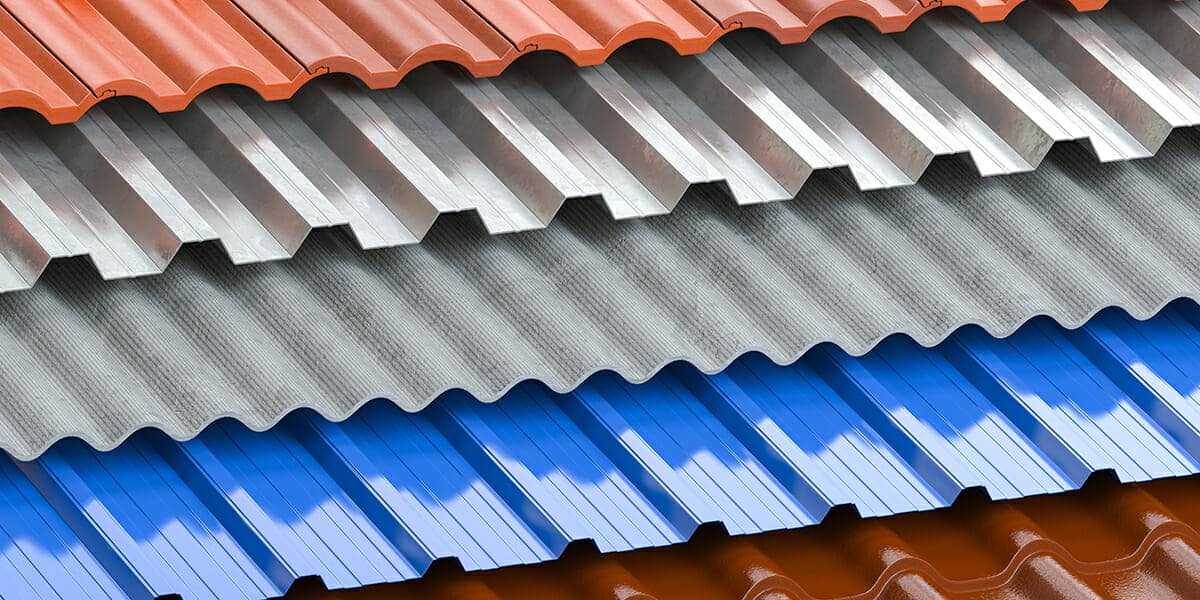
Discover the Secret to Roof Color Longevity: Expert Insights

The Hidden Impact of Roof Colors on Your Home’s Lifespan

Choosing the right roof color is more than a cosmetic decision; it’s crucial for the longevity and efficiency of your home. Let’s delve into how different colors can transform your roof’s performance and boost its lifespan. For more details on selecting the perfect roof color, -.

Boosting Energy Efficiency with Reflective Colors

  1. Lighter Roofs for Hot Climates: Lighter shades, such as whites and specific grays, reflect UV rays. This reflective property reduces heat absorption, keeping your home cooler and lowering cooling costs. Roof color longevity benefits from reduced thermal stress.
  2. Darker Roofs for Cooler Climates: Dark colors like blacks and browns absorb heat. This retention is beneficial in colder regions, potentially reducing heating costs and contributing to roof color longevity by preventing freeze-thaw damage.

Popular Roof Colors: Enhancing Functionality and Aesthetics

Different roof colors offer unique benefits:

  • Light Browns and Beiges: Ideal for warmer climates due to their reflective properties.
  • Dark Browns and Blacks: Excellent for colder areas, as they retain heat.
  • Blues and Greens: These trendy shades are gaining popularity for their unique aesthetic appeal while still offering energy efficiency.

Timeless Elegance: Choosing Roof Colors That Last

Roof color longevity is not just about functionality but also about timeless appeal. Here’s how to ensure your roof remains stylish and durable:

To understand how roof color impacts energy efficiency, -.

2024 Roof Color Trends: What’s Hot

Stay ahead of the curve with these trending colors:

  1. Warm Earthy Browns: From sand to autumn hues, these colors offer a natural look that blends with various landscapes.
  2. Sophisticated Off-Whites: Shades like beige and stone provide a classic, elegant appearance.
  3. Vibrant Blues and Greens: These colors, such as denim and forest green, add a bold touch to modern homes.

Increasing Resale Value with Strategic Color Choices

The color of your roof can significantly impact your home’s resale value:

  • Aesthetic Appeal: Choose colors that enhance your home’s architectural style. Roof color longevity plays a role in maintaining this appeal over time.
  • Functionality: Opt for colors that provide practical benefits, such as energy efficiency and durability.

Practical Tips for Maximizing Roof Color Longevity

Climate Considerations: Match Your Roof to Your Environment

Consider these factors to ensure your roof color supports longevity:

  • Hot Climates: Light colors like white or beige are best for reflecting sunlight and keeping your home cool.
  • Cold Climates: Dark colors such as black or brown help retain heat and reduce heating costs.

If you’re considering a roof upgrade, -.

Harmonizing with Architectural Style

Your home’s style should influence your roof color choice:

  • Mediterranean Homes: Red roofs complement the warm, earthy tones.
  • Colonial Designs: Grays and blacks suit these classic structures.

For expert insights into boosting your home’s curb appeal, -.

FAQs: Answering Your Roof Color Longevity Questions

Q: What roof colors are best for extending the lifespan of my home? 

A: Light colors like beige or white reflect sunlight and minimize heat absorption, reducing cooling costs. Dark colors like black can retain warmth during cooler periods, enhancing roof color longevity.

Q: How does roof color impact energy efficiency and reflectivity? 

A: Lighter colors reflect sunlight, minimizing heat absorption and reducing the need for air conditioning. Darker colors absorb heat and can retain warmth, lowering heating costs and contributing to roof color longevity.

Q: What are the popular roof colors that offer long-term benefits? 

A: Colors such as light and dark browns, blues, greens, and off-whites are popular. These shades not only enhance aesthetics but also improve energy efficiency and roof color longevity.

Q: What are timeless aesthetics when choosing my roof color? 

A: Timeless shades like beige, taupe, black, and gray remain appealing over time and suit various architectural styles, ensuring roof color longevity.

Q: What are the roof color trends for 2024? 

A: Trending colors include warm earthy browns, off-whites, and vibrant blues and greens. These choices reflect a blend of traditional and modern preferences, promoting roof color longevity.

Q: How can I choose the best roof colors for resale value? 

A: Harmonize your roof color with your home’s siding and architectural style. Favorites like beige, tan, black, and gray safeguard against outdated looks, ensuring roof color longevity.

Q: How can I balance aesthetics and functionality when choosing roof colors? 

A: Consider your home’s style, regional climate, and potential resale value. Select a color that offers both visual appeal and practical benefits, enhancing roof color longevity.

Q: What are ideal color combinations for my siding and roof? 

A: Classic contrasts like beige or white siding with a dark roof are effective. Red roofs complement Mediterranean homes, while grays and blacks suit Colonial designs, ensuring roof color longevity.

Q: Why is roof color longevity important for my home? 

A: Roof color longevity ensures your home remains aesthetically pleasing, energy-efficients, and durable, reducing maintenance costs and increasing market value.

In conclusion, choosing the right roof color involves balancing aesthetics, energy efficiency, and climate considerations. Timeless shades and trendy hues both play a role in enhancing roof color longevity, making your home stylish and sustainable for years to come.

Is a CNC machine a great investment?

A CNC equipment can do several things for you other than make parts for your equipment. As an example, - it can help you conserve time on materials, and/or labor by lowering the variety of blunders that you have to make in reducing as well as assembling your parts. This might not appear like much of a benefit, yet believe me, over the life of your equipment, these little savings will certainly build up! So, is a CNC equipment a great investment? The response is definitely yes!

If you have been taking a look at CNC machines as well as are still on the fence about getting one, keep in mind that they are relatively cost-effective when compared to machining tools that need numerous expensive elements to operate. As an example, a turret alone can encounter the hundreds, while other tools might need dozens of expensive fixed items to run. A solitary equipment can be acquired to deal with any type of task, in addition to deal with numerous work at the same time. This is one reason CNC machines have come to be increasingly preferred in the world of woodworking considering that their capability to do numerous work as well as numerous pieces of work at the same time is a substantial time as well as cost saver.

When taking a look at purchasing CNC tools, remember that you do not intend to acquire the initial equipment that you stumble across. Rather, invest plenty of time browsing on the internet sources to discover the very best offers on the marketplace. Likewise, talk to local hobby shops to see if they have used equipment that you can acquire to start. Often times, these machines are comparable to new, yet you just won’t be able to pay the price of a new equipment. As soon as you have discovered the very best price for the equipment(s) that you need, after that you must constantly look around for the best feasible price on a new equipment.

One point that individuals frequently question is the time investment needed for CNC equipment arrangements. Generally, this is a really marginal amount of time. However, if you intend to reduce the overall cost of the task, you can constantly work with a 2nd individual who will certainly deal with the repeated equipment parts for you. This will certainly still be less costly than employing a full time CNC operator, yet it might still be a great concept to consider depending upon your readily available time. If you are just starting out, a less complex configuration will certainly be easiest for you.

One of the most usual false impressions about CNC machines is that they are only for specialists. While it holds true that you will certainly need a high level of experience prior to you are able to run this type of equipment, anybody can find out how to do it. It does not matter just how much you have been working in the market or what type of producing you presently do. The standard tools required are a personal computer, a program (CNC software program), the equipment elements as well as some type of non-durable plastic or glass work. With a few straightforward steps, - you can start your own equipment today.

So, is a CNC equipment a great investment? In many cases, yes. If you have adequate money to invest in among these machines, it might end up being among your best financial investments ever. However, prior to purchasing it, you must make sure that you recognize precisely what you need, the length of time you would love to utilize it as well as just how much you are willing to invest.

Here Are Really Great Web Design Resources and Articles

Every small business needs a website.   It`s better in case your website is professional and enticing in order that the website visitors provides you with a call when they visit. So how do you go about constructing a profession website? The easiest way is to go to - and find out what they can do for you.

Let`s begin with the fundamentals.

A professional web site have to be straightforward to navigate.

A professional website should load rapidly in order that guests haven`t got to wait.

A professional website should give attention to the topic that you are trying to convey to your reader.

A professional web site should include pages which might be well written and simply readable.

A professional web site should contain a contact kind so that the visitor can get in contact with you.

Building a website just isn`t rocket science.   It`s only a matter of writing down your ideas and getting it published on the web. You can rent somebody to do this for you, however then there are some technical issues concerned with doing so. We don`t want to get into all that as a outcome of we need to concentrate on what you should do to build your personal web site. So let`s get started!

Let`s Start With Website Domain Name

The very first thing that you simply need is a domain name for your web site and hosting service for it. A domain name is like an address for your website, and internet hosting service is where your site shall be hosted on the web. You will need to have these two issues before you start building your web site or else no one will be in a position to discover it online! So how do you get these two things? Well, if you already have a website name then great! If not, you`ll should register one first earlier than shifting forward. To register a domain name, simply go online and search for “domain registration” or “domain names”. There are many websites out there that may assist you to register one, however I always suggest Godaddy as a end result of they`re straightforward to make use of and so they supply nice prices (and they`re very reliable). You can also head over to - to ask for help from their expert and experienced staff.

A domain name must be descriptive of what your business does. So if you are promoting footwear online, then one thing like www.shoess4u.com would be an excellent choice for a site name as a end result of when folks see this, they will immediately know what it`s about and may easily keep in mind it too!

So now you have selected the sort of small business that you simply want to start and also have decided on the domain name in your new small business. Now what?

Well, now we have to resolve which website hosting provider we need to use! Web internet hosting providers present the servers where we will host our web pages (for instance www.example.com). So in the event that they block our server or shut down our account with out prior notice, then our small business shall be gone in no time! So select a dependable website hosting provider who has been round for a minimum of 3 years and has had greater than 50 customers throughout that period of time!

Next We Find Website Hosting

So now that we now have a website name and hosting provider, we are ready to begin to create our website! But earlier than you start creating your website, you should determine what internet design software you`ll be utilizing to develop your web site. There are many obtainable in the marketplace at present but I at all times suggest Adobe Dreamweaver because it is rather straightforward to use and likewise has a free trial version (which is great for testing out the software before you shell out money for it).

Now We Need Website Editor CMS

After choosing your net design software, you can now start creating your website! You can either do that by hand or use a WYSIWYG (what-you-see-is-what-you-get) editor. If you want to do it by hand, then I recommend using Adobe Dreamweaver as it is extremely straightforward to use and if you don`t know how to code (using HTML), then this program will assist write the code for you. If nevertheless, you need a neater way of making your website with out having to learn how to code then I suggest using a WYSIWYG editor similar to Adobe Dreamweaver or Microsoft FrontPage.

After designing your website, the subsequent factor you want to do is add content to it so individuals can see what they`re clicking on. This is why I advocate using a WYSIWYG editor; these editors make adding content material onto web sites very easy and simple.

You merely add a textual content box onto your web site after which begin writing in your content. If you`d rather work on your business then ask them for their hourly fees.

So to sum up, step one to creating a website is to decide on a web design software program; Adobe Dreamweaver is my advice as it is rather simple to make use of and likewise has a free trial version for you to check out before you purchase the full version.

After selecting your website design software program, now you can start creating your webpage (like the one at -)! You can both do this by hand or use a WYSIWYG (what-you-see-is-what-you-get) editor. If you wish to do it by hand, then I suggest using Adobe Dreamweaver as it is very straightforward to use and if you do not know tips on how to code (using HTML), then this program will assist write the code for you.

If nonetheless, you want an easier method of making your web site without having to discover ways to code then I recommend using a WYSIWYG editor corresponding to Adobe Dreamweaver or Microsoft FrontPage. Finally, as quickly as your website has been designed, add some content material onto it so individuals can see what they`re clicking on!